The Arab football world is currently experiencing what many are calling a golden age. The remarkable achievements in the 2022 World Cup, with Morocco’s unprecedented performance and Saudi Arabia’s dramatic win over eventual champions Argentina, have ignited ambitions across the region for deeper runs in future tournaments rather than just participation.
In African club football, Arab teams continue their dominance in the CAF Champions League. Egyptian side Pyramids FC disrupted the status quo by winning their first title, adding to a nine-year streak of Arab clubs winning the continent’s premier championship. Traditional giants like Egypt’s Al-Ahly and Morocco’s Wydad AC remain powerhouses, demonstrating the strength of Arab football talent and organization.
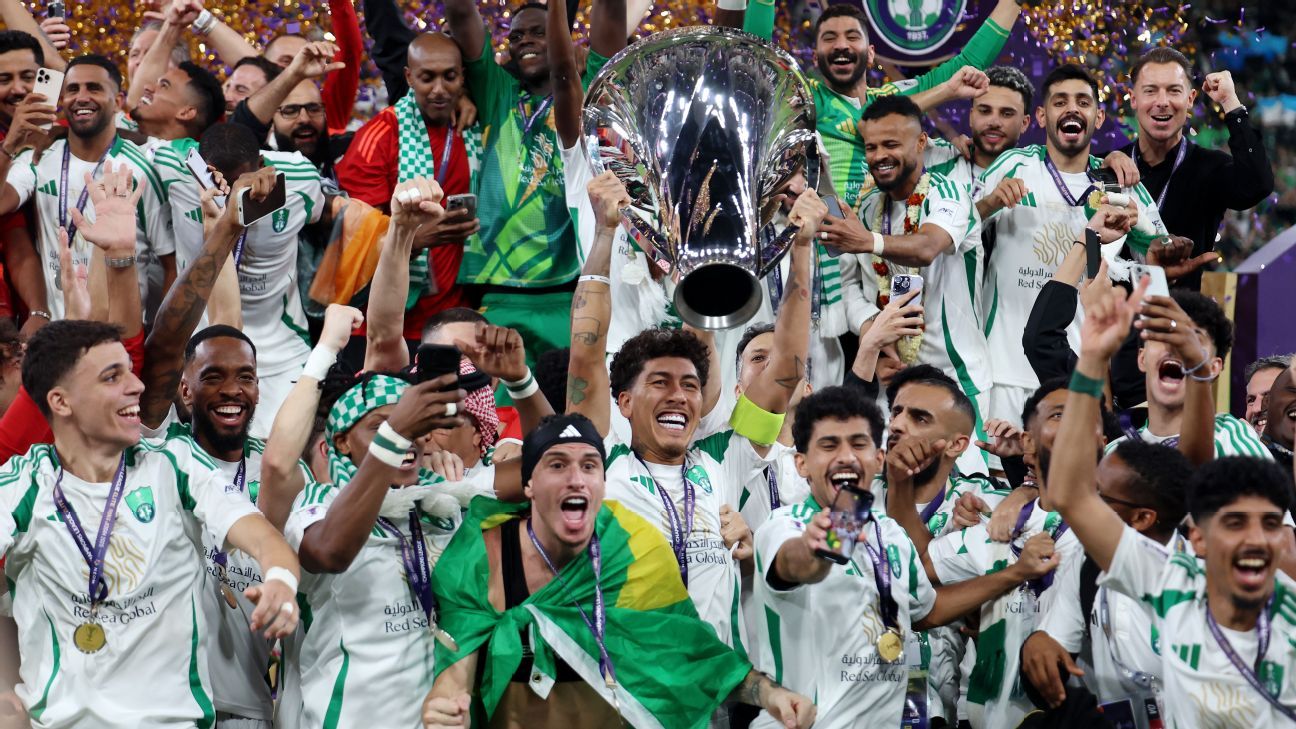
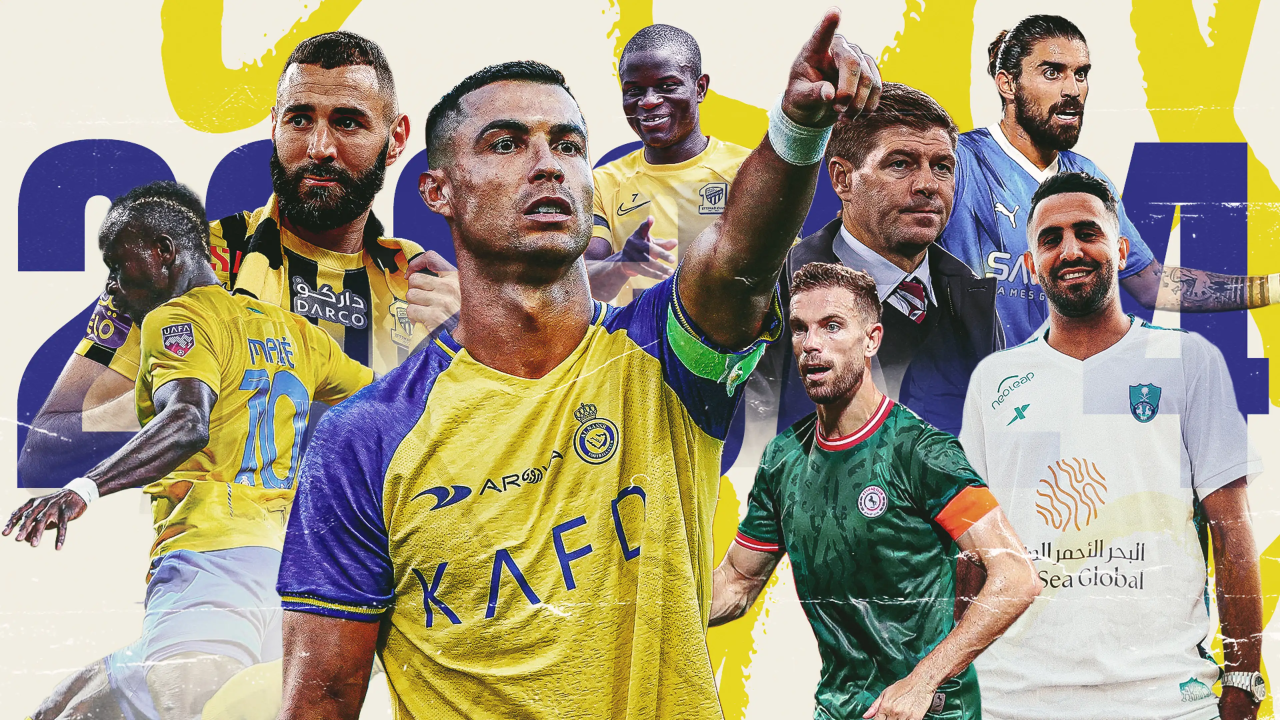
One of the most transformative stories remains the Saudi Pro League, which has skyrocketed in quality and global prestige since Cristiano Ronaldo’s arrival three years ago. The influx of international stars such as Joao Felix and Kingsley Coman into Saudi clubs like Al-Nassr has dramatically uplifted the league’s competitiveness and viewership. This season, Al-Nassr maintains a perfect record, leading the league with dominance while rivals like Al Hilal and Al Ahli battle for top positions. The Saudi club rivalry and success have further energized fan engagement and the league’s profile in Asia and worldwide.
Beyond Saudi Arabia, other Gulf countries are investing heavily in football development and infrastructure, hosting international events, and promoting youth training programs to solidify long-term growth. The upcoming FIFA Arab Cup in Qatar, scheduled for December 2025, encapsulates the region’s passion and forward momentum in football.
In summary, 2025 is shaping up to be a landmark year for Arab football—a blend of historic triumphs, rising stars, and strategic investments that forecast a vibrantly competitive future for the sport across the Arab world.